Build Stronger Teams with Project-Based Soft Skill Challenges

Step into a proven, energizing approach with Project-Based Soft Skill Challenge Packs for Teams and Classrooms. Through time-boxed, real-world briefs, participants practice communication, collaboration, problem solving, leadership, and empathy while delivering tangible outcomes. Expect lively sprints, reflective debriefs, authentic artifacts, and measurable growth. Share your goals, invite colleagues or students, and watch confidence, clarity, and team chemistry rise with every challenge completed together.

Real-World Relevance

Challenge Packs mirror constraints beyond the classroom or meeting room, blending user needs, limited resources, and shifting priorities. Participants prioritize, delegate, and pitch under time pressure, then iterate from feedback. This mirrors internships, sprint cycles, and client reviews, accelerating practical maturity. The context, not just content, builds habits that persist after the last presentation and into daily work.

Transferable Outcomes

When a facilitator asks, “What did you do when the plan broke?” the answer reveals portable strengths. Negotiating roles, clarifying success criteria, and resolving conflict transfer across industries and ages. Alumni report using these moves during interviews, retrospectives, and stakeholder updates. They reference artifacts, reflections, and metrics, not vague claims, proving readiness with concrete stories tied to observable behaviors and real deliverables.

Designing Challenge Packs That Work
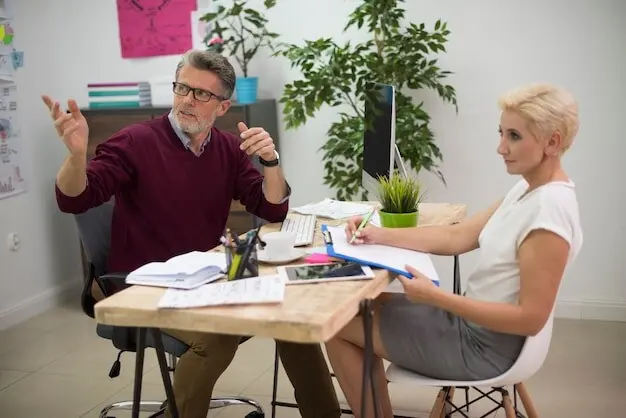
Effective packs balance ambition and achievability. Each includes a compelling brief, clear constraints, user or stakeholder perspectives, simple tools, and rubrics aligned to behaviors. Short sprints force prioritization; checkpoints surface misalignment early. Optional extensions reward curiosity. The result is a repeatable experience where teams feel stretched yet supported, able to finish strong while capturing evidence of skill growth they can proudly share.

Facilitation for Teams and Educators

Facilitators orchestrate energy, safety, and focus. Start with norms that protect equitable voice and pace. Use visible timers, parked questions, and rotating roles to distribute ownership. Coach with questions, not answers, prompting reflection and sharper choices. Close strong with evidence-based debriefs and next steps. Invite comments, share takeaways, and encourage readers to adapt these moves, then report back with results.

Essential Skills in Action

Soft skills become visible through behaviors: summarizing insights, managing ambiguity, welcoming dissent, and aligning quickly. Challenge Packs surface these moves under real constraints, building fluency through repetition and reflection. Teams learn to plan lightly, experiment early, and communicate clearly at every handoff. Students and professionals alike exit with stories and artifacts proving not only competence but reliability under pressure.

Communication Under Pressure

When deadlines compress, clarity wins. Teach short briefs, daily one-minute updates, and meeting agendas with outcomes. Use visible checklists for decisions made and risks accepted. Celebrate active listening by paraphrasing before proposing. These habits prevent rework, reduce stress, and help quieter voices contribute. Readers, try a timed standup tomorrow and share what changed in your team’s focus, tone, and follow-through.

Leadership Without Titles

In strong teams, leadership rotates. Someone frames choices, another gathers input, a third synthesizes. Challenge Packs prompt this by assigning roles that shift across phases. Participants practice influence through questions, drafts, and service to the goal, not authority. Over time, confidence spreads. Invite your group to reflect: When did you follow well? When did you lead well? Capture examples you can reference later.

Empathy and User-Centered Thinking

Empathy turns clever ideas into useful solutions. Quick interviews, journey maps, and “day in the life” sketches reveal friction points that reframe the work. Build tiny prototypes fast and watch reactions, not opinions. Note exact quotes to inform decisions. Ask, What surprised us? Then adapt. Readers, try a five-question user chat this week and report your most unexpected insight below.

Measuring Impact and Building Portfolios

Impact shows up in behaviors, artifacts, and momentum. Use rubrics to score observable actions, gather peer notes for nuance, and store assets in a shared portfolio. Over multiple challenges, patterns emerge: more balanced talk time, fewer meeting overruns, clearer handoffs. Students cite evidence on resumes; teams use it in reviews. Invite subscribers to share a favorite artifact and why it matters.

Behavior-Based Rubrics

Define criteria that anyone could reliably spot: invites dissent respectfully, summarizes decisions, clarifies constraints, and tests early. Describe emerging, proficient, and exemplary behaviors. Keep it printable and visible during work time. Rubrics are not cages; they are mirrors reminding teams of choices available. After each challenge, highlight one criterion to intentionally over-practice next time, creating focused, compounding upgrades.

Peer and Self-Assessment Loops

After presenting, allocate five minutes for silent self-assessment, then five for peer notes anchored to evidence. Encourage “Because I observed X, I infer Y” statements. This lowers defensiveness and increases insight. Rotate who speaks first to avoid hierarchy effects. Capture two keeps and one change each. Readers, try this structure once and tell us whether conversations felt briefer, braver, and more useful.

Artifacts, Reels, and Showcases

Store briefs, drafts, photos, decision logs, and final deliverables in a tidy folder. Stitch moments into a short reel showing teamwork under pressure. Add captions linking actions to skills. Host a quarterly showcase where peers and stakeholders react. These collections become interview gold and onboarding inspiration. Share your best clip or slide with us, and we will spotlight standout practices in future posts.

Middle School Design Sprint

Run a ninety-minute sprint to redesign the school entry experience. Provide a persona and map, set roles, and ask for a paper prototype plus two user quotes. Focus assessment on listening, turn-taking, and summarizing. Keep energy high with timers and music. Celebrate with a gallery walk. Teachers, share student reflections, especially where quieter classmates surprised you with bold, thoughtful contributions.

University and Bootcamp Integration

Embed a three-week challenge aligned to a core course. Include stakeholder interviews, a feasibility scan, and a live demo. Grade behaviors and artifacts separately. Encourage cross-major teams to surface diverse methods. Host a feedback panel with alumni. Students leave with portfolio evidence and clearer career narratives. Post your syllabus constraints, and we will outline checkpoints and rubrics you can adopt immediately.
Pexikentozori
Privacy Overview

This website uses cookies so that we can provide you with the best user experience possible. Cookie information is stored in your browser and performs functions such as recognising you when you return to our website and helping our team to understand which sections of the website you find most interesting and useful.